Creating Cohesive Design Elements in Home Staging
Learn how to choose and implement cohesive design elements throughout your staging process, ensuring a harmonious flow and luxury feel in each space.
Key Takeaways
- Consistency in color and style enhances visual appeal.
- Focal points draw attention and create elegance.
- Textures play a vital role in adding depth and interest.
- Proper lighting highlights design elements and creates ambiance.
- Outdoor spaces can be styled to complement interior design.
Understanding Cohesive Design Elements
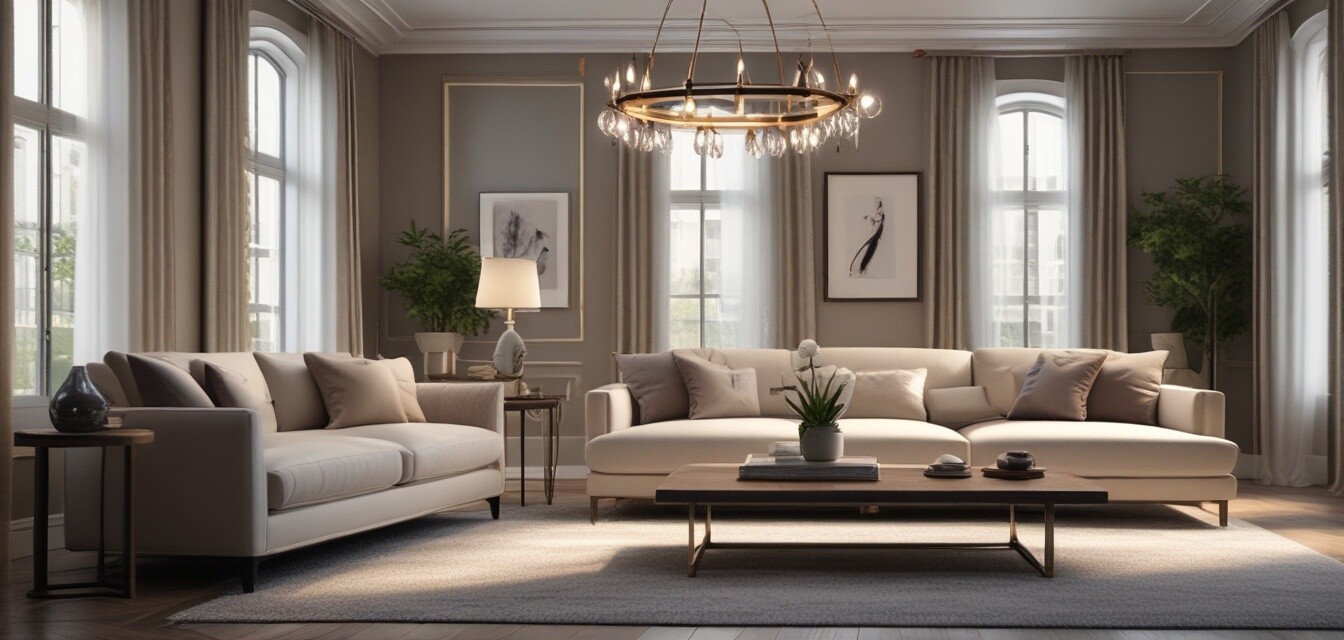
Cohesion in design refers to the way various elements come together to create a unified look. In home staging, this concept is crucial; it allows potential buyers to envision themselves living in the space. A well-staged home should possess a certain flow, where every room complements the others in style, color, and texture.
Color Schemes
One of the most effective ways to create cohesion in design is through a consistent color palette. Here’s how to choose and implement an impactful color scheme:
- Select a base color: Choose a neutral color that can be featured in larger furniture pieces.
- Choose accent colors: Pick two or three complementary colors for decor items and accents that enhance the base color.
- Maintain balance: Ensure the accent colors are spread evenly throughout the space to create harmony.
Furniture Style
Another crucial aspect is consistent furniture style. Whether you opt for modern, classic, or rustic pieces, the furniture should create a visual story that resonates with a luxury feel. Here is a simple table to help you decide:
| Style | Description | Best For |
|---|---|---|
| Modern | Sleek lines, minimalistic designs. | Contemporary homes, urban spaces. |
| Classic | Timeless pieces with rich materials. | Traditional homes, upscale neighborhoods. |
| Rustic | Natural materials, cozy textures. | Farmhouses, country homes. |
Incorporating Textures
Textures add depth and interest to a space. Consider the following types of textures for your staging:
- Soft textiles: Use fluffy pillows, rich rugs, and luxurious curtains.
- Natural elements: Wooden furniture or decorations can bring warmth.
- Smooth surfaces: Glass or metal decor items can contrast with softer textures, adding visual interest.
Focal Points in Home Staging
Every staged home should have focal points that draw the eye. It could be a piece of art, an elegant chandelier, or an attractive furniture arrangement. Implement the following tips:
- Identify natural focal points, like fireplaces or large windows.
- Highlight one or two standout pieces in each room.
- Arrange furniture to enhance these focal points.
Importance of Lighting
Effective lighting is fundamental in bringing your design elements to life. Here are key ways to utilize lighting:
- Layered lighting: Combine ambient, task, and accent lighting to create a warm atmosphere.
- Natural light: Maximize natural light by keeping window treatments minimal.
- Decorative fixtures: Stylish lamps or chandeliers can serve as both lighting and decor.
Outdoor Staging
Don’t forget about outdoor spaces; they can significantly enhance the overall appeal of your home. Consider styling your outdoor areas similarly to your interior. Here’s how:
| Outdoor Element | Design Tip |
|---|---|
| Patio Furniture | Choose pieces that match your interior style for continuity. |
| Planters | Use similar colors and styles as indoor decor for cohesion. |
| Lighting | Incorporate outdoor lighting that aligns with interior fixtures. |
Final Thoughts
In summary, creating a cohesive design in your home staging involves careful selection and implementation of colors, styles, textures, and lighting. By considering these elements, you can ensure a harmonious look that appeals to potential buyers. Explore more about luxury decor in our Buying Guides and discover how smart technology can enhance your staging efforts in our Smart Home Technology section.
Pros
- Creates a visually appealing space that attracts buyers.
- Enhances the perceived value of the home.
- Allows for a personalized touch while still appealing to many styles.
Cons
- May require investment in decor and furniture.
- Consistency may be difficult to achieve in larger homes.
- Time-consuming to select and arrange design elements.
Tips for Beginners
- Start small with a single room and use it to practice your staging skills.
- Visit staged homes or showcase apartments to gather inspiration.
- Don’t go overboard—sometimes less is more in high-end staging.